Inflammation is not inherently bad — it's your immune system's first response to injury and infection. The problem arises when inflammation becomes chronic and systemic, smouldering away in the gut and beyond. This low-grade, persistent inflammation is now recognised as a driver of IBS, IBD, metabolic syndrome, heart disease, depression, and even some cancers.
What you eat is the most powerful tool you have for controlling gut inflammation. Here's what the evidence says.
The Mediterranean Diet: The Gold Standard
No dietary pattern has more evidence for reducing inflammation than the Mediterranean diet. It consistently reduces levels of C-reactive protein (CRP), interleukin-6 (IL-6), and tumour necrosis factor alpha (TNF-α) — the primary markers of systemic inflammation measured in blood tests.
Its anti-inflammatory power comes from:
- Abundant dietary fibre (feeding anti-inflammatory bacteria)
- High polyphenol content (from olive oil, red wine, berries, and vegetables)
- Omega-3 fatty acids (from oily fish)
- Low in refined carbohydrates and seed oils
Anti-Inflammatory Foods to Prioritise
Extra Virgin Olive Oil
EVOO contains oleocanthal — a compound that inhibits the same COX enzymes as ibuprofen. It also feeds the beneficial bacterium Akkermansia muciniphila, which strengthens the gut lining. Use it liberally: 2–4 tablespoons daily is the Mediterranean norm.
Oily Fish
Salmon, mackerel, sardines, and herring are rich in EPA and DHA — omega-3 fatty acids that are directly incorporated into cell membranes and converted into anti-inflammatory compounds called resolvins and protectins. Aim for 2–3 portions per week.
Berries
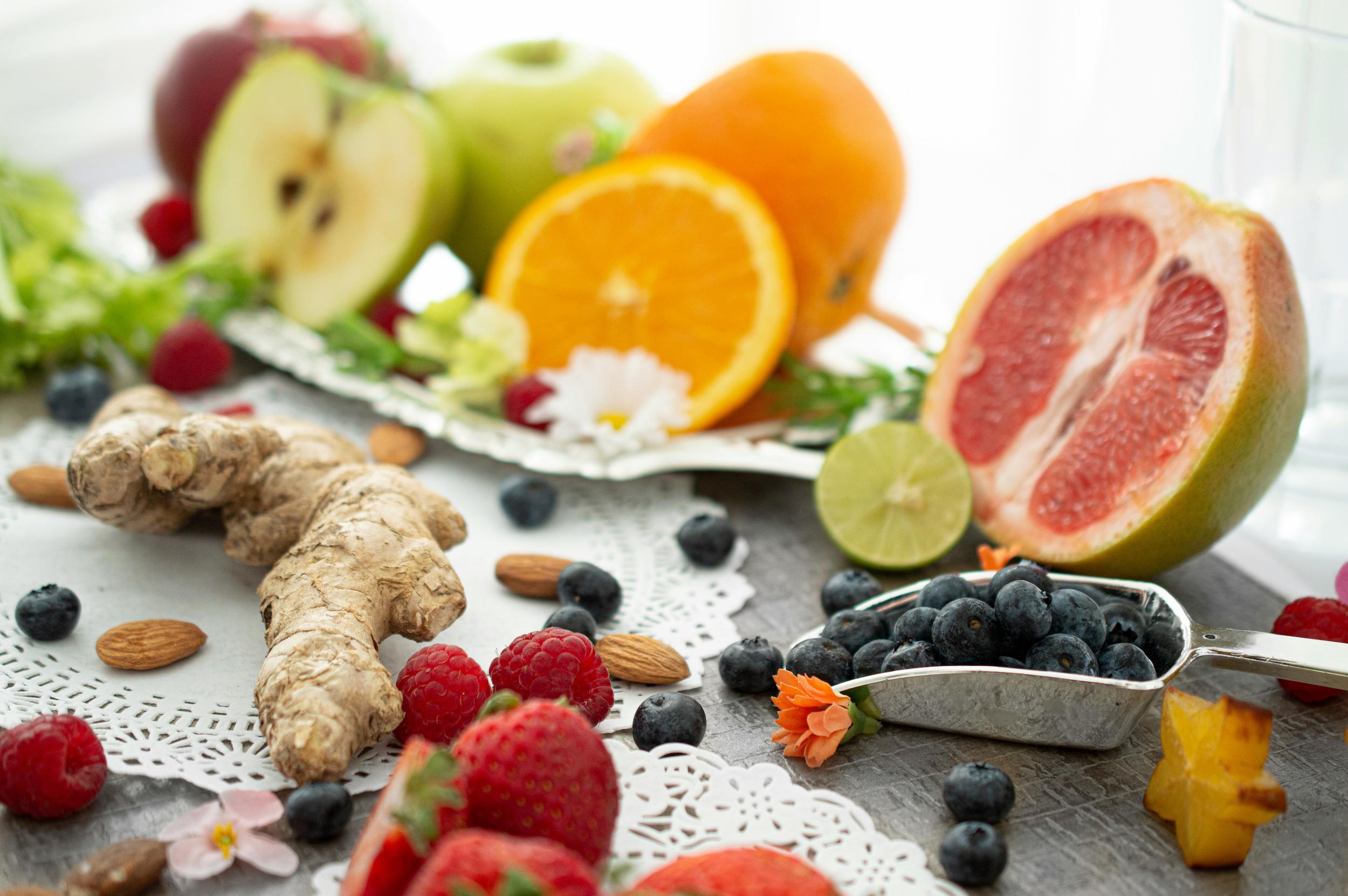
Blueberries, raspberries, blackberries, and strawberries are concentrated sources of polyphenols — particularly anthocyanins — that reduce NF-κB signalling, a master controller of inflammatory gene expression. They also selectively increase Bifidobacterium levels in the gut.
Turmeric
Curcumin, the active compound in turmeric, is one of the most studied anti-inflammatory phytochemicals. It inhibits NF-κB and multiple pro-inflammatory cytokines. The problem is bioavailability — only around 1% of ingested curcumin is absorbed. Combining with black pepper (piperine increases absorption by 2,000%) and fat significantly improves this.
Dark Leafy Greens
Spinach, kale, and Swiss chard provide folate, vitamins C and K, and sulforaphane (in cruciferous varieties). Folate deficiency is associated with elevated homocysteine — an inflammatory marker — and these foods are among the most nutrient-dense available.
Walnuts and Flaxseed
The only plant foods providing appreciable amounts of ALA omega-3 (a precursor to EPA/DHA). While conversion is inefficient, they still reduce inflammatory markers and provide lignans, which are beneficial to the gut microbiome.
Polyphenols and the microbiome: The anti-inflammatory effects of plant foods are partly mediated through the gut microbiome. Polyphenols are metabolised by gut bacteria into bioactive compounds that directly reduce gut and systemic inflammation. Dietary diversity is key — different polyphenols feed different beneficial bacteria.
Inflammatory Foods to Reduce or Avoid
- Ultra-processed foods: Contain emulsifiers, artificial colours, and high-fructose corn syrup that promote dysbiosis and gut barrier disruption.
- Refined seed oils: Sunflower, corn, and soybean oils have very high omega-6 content. An imbalanced omega-6 to omega-3 ratio (the Western average is 15:1; ideal is 4:1) drives systemic inflammation.
- Refined sugar: Feeds pro-inflammatory gut bacteria and activates the NF-κB pathway. See our full article on sugar and the microbiome.
- Excessive alcohol: Directly increases intestinal permeability and triggers systemic inflammatory responses.
- Trans fats: Still found in some processed foods. Even small amounts are strongly associated with systemic inflammation.
Practical Steps to Start This Week
- Switch to extra virgin olive oil for all cold applications and low-heat cooking
- Add a handful of berries to breakfast daily
- Eat oily fish twice this week
- Replace white rice/bread with wholegrains for 3 meals
- Add a handful of walnuts as a snack instead of crisps
- Make a turmeric-black pepper-ginger tea
Key principle: Anti-inflammatory eating is about the overall pattern, not individual superfoods. Consistent adherence to a mostly whole-food, plant-forward diet with regular oily fish is far more powerful than any single supplement.