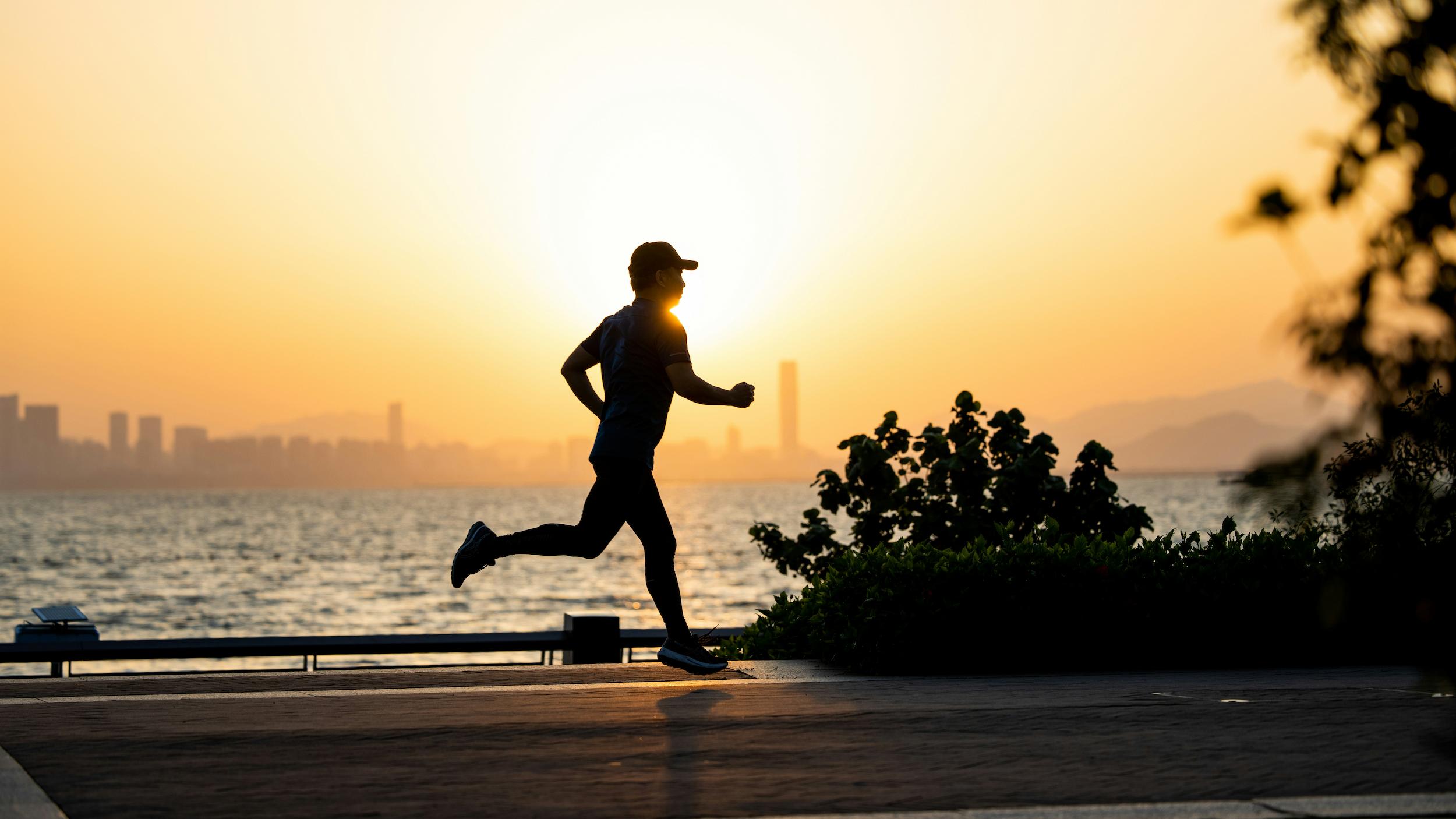
The benefits of exercise are so well-established that most people know them by heart: better cardiovascular health, weight management, improved mood, stronger bones. What's less appreciated is that regular physical activity is also one of the most powerful modulators of the gut microbiome available to us — independent of diet.
Exercise and Microbial Diversity
Several studies comparing athletes to sedentary individuals show dramatically greater gut microbiome diversity in the athletic groups. A landmark 2014 study compared professional rugby players to sedentary controls and found that athletes had significantly more diverse microbial communities, including higher levels of Akkermansia muciniphila — a species consistently associated with metabolic health and gut barrier integrity.
Critically, a 2019 intervention study demonstrated that 6 weeks of endurance exercise in previously sedentary adults increased beneficial bacterial species — particularly butyrate-producing bacteria — and these changes reversed when participants stopped exercising. The effect was independent of body weight changes and diet, confirming exercise's direct microbiome benefits.
Key finding: Exercise-induced increases in microbial diversity are independent of dietary changes. Moving more directly benefits your gut microbiome, even if nothing else changes. Combine both for amplified effects.
Exercise and Butyrate Production
One of the most consistent findings in exercise microbiome research is increased butyrate production. Butyrate is the primary energy source for colonocytes (the cells lining your colon), maintains gut barrier integrity, reduces gut inflammation, and promotes regulatory T cell development for immune balance.
Regular moderate-intensity exercise appears to selectively promote the growth of butyrate-producing bacteria, including Faecalibacterium prausnitzii and Roseburia intestinalis — both associated with protection against IBD and metabolic disease.
Exercise and Gut Motility
Physical activity directly stimulates gut motility through several mechanisms: it increases prostaglandin E1 (which stimulates intestinal muscle contraction), reduces transit time through the colon, and activates the enteric nervous system. The practical implication is significant — regular exercise reduces constipation risk by 30–40% in population studies.
Yoga, in particular, has specific evidence for IBS symptom relief, likely through its combined effects on gut motility, vagal nerve activation, and stress reduction.
Which Types of Exercise Are Best for Gut Health?
Aerobic Exercise (Running, Cycling, Swimming)
The most extensively studied for gut health benefits. Moderate-intensity aerobic exercise (60–75% max heart rate) for 30+ minutes appears to produce the most consistent microbiome benefits. Lower-intensity activity (walking) also helps but may require greater frequency to achieve similar microbial changes.
Resistance Training
Less studied than cardio for gut health specifically, but resistance training improves insulin sensitivity and reduces systemic inflammation — both indirectly beneficial for the microbiome. A 2020 study found that 8 weeks of resistance training significantly altered gut microbiome composition in lean sedentary adults, independently of aerobic training.
High-Intensity Interval Training (HIIT)
HIIT produces rapid improvements in microbial diversity and has shown particular efficacy in improving Akkermansia muciniphila abundance. However, excessive high-intensity training (overtraining) can have the opposite effect — increasing gut permeability and reducing beneficial bacteria due to physiological stress. Balance is key.
Yoga
Multiple RCTs show yoga reduces IBS symptoms significantly, comparable in efficacy to dietary interventions. The mechanism includes vagal nerve activation (promoting parasympathetic "rest and digest" dominance), stress hormone reduction, and direct abdominal pressure effects on gut motility.
When Exercise Hurts the Gut
Very high-intensity or prolonged exercise (ultramarathons, Ironman triathlons) can temporarily increase gut permeability through heat stress, reduced blood flow to the gut, and mechanical jostling. "Runner's gut" — cramping and diarrhoea during endurance events — affects up to 70% of distance runners.
Strategies to mitigate: adequate pre-exercise hydration, avoiding high-fibre or high-fat foods for 3 hours before exercise, acclimatisation to exercise intensity, and considering glutamine supplementation for high-volume athletes.
How Much Exercise for Gut Health?
The gut health literature broadly aligns with general health guidelines:
- At least 150 minutes of moderate-intensity aerobic exercise per week (e.g., 30 minutes, 5 days)
- Or 75 minutes of vigorous-intensity aerobic exercise per week
- Plus 2 sessions of resistance training per week
- Minimising prolonged sitting — breaking up sedentary time every 90 minutes with short walks has measurable gut motility benefits
Start anywhere: Even a 20-minute daily walk produces measurable gut microbiome benefits within weeks. Don't wait for the "perfect" exercise routine — begin with what's sustainable for you, and increase gradually. Consistency matters more than intensity.