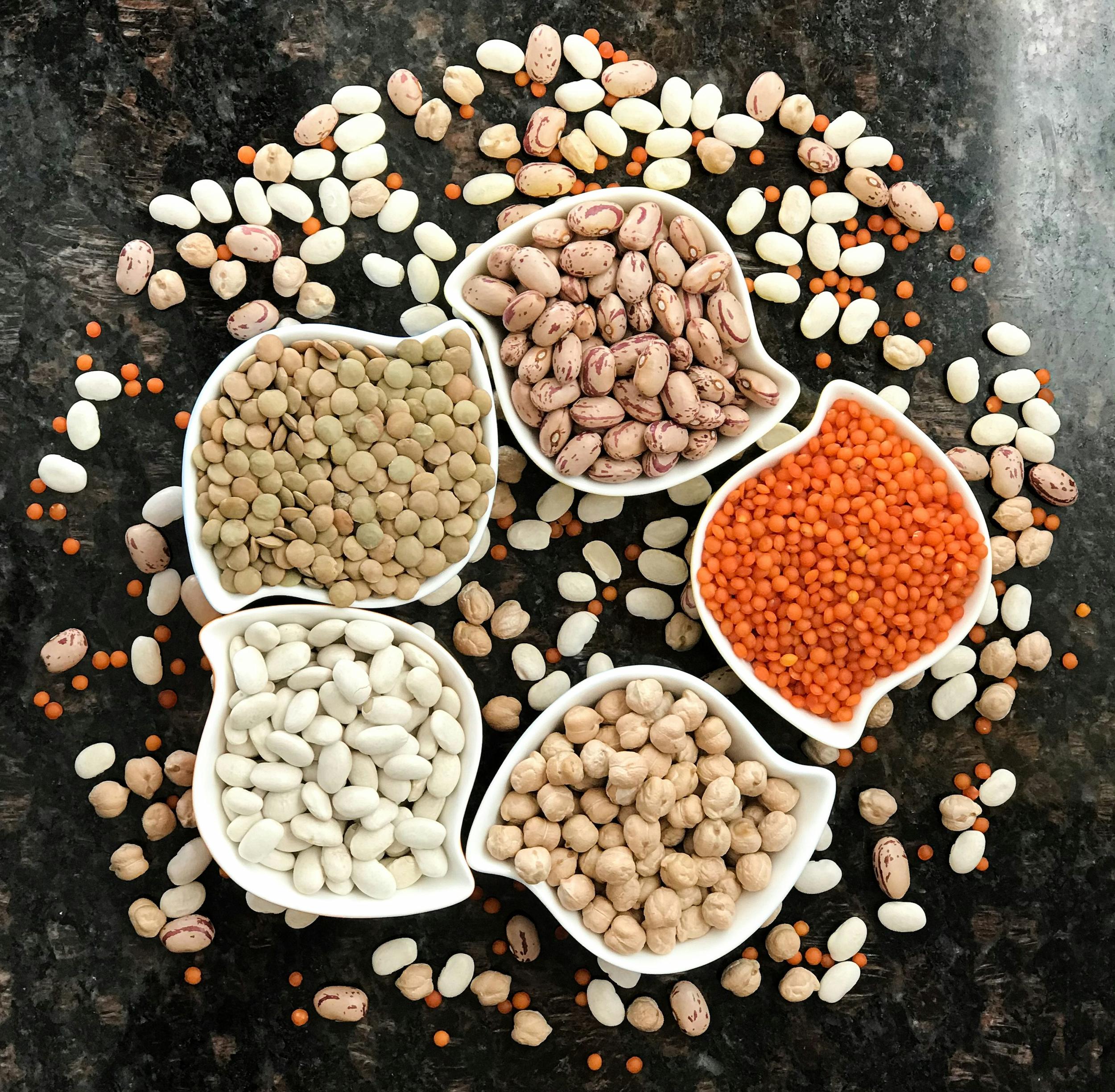
Dietary fibre is the unsung hero of gut health. While it passes through your small intestine largely undigested, it becomes the primary food source for the trillions of beneficial bacteria living in your colon. The result? A thriving microbiome, better digestion, reduced inflammation, and a significantly lower risk of chronic disease.
Yet most people in the UK and US fall well short of recommended intake — with adults averaging just 18g per day against a recommended 30g. Here's what you need to know and what to eat.
Two Types of Fibre, Both Essential
Not all fibre is created equal. The two main categories work differently in the body:
- Soluble fibre dissolves in water to form a gel-like substance. It slows digestion, helps regulate blood sugar, and lowers LDL cholesterol. Found in oats, apples, beans, and psyllium husk.
- Insoluble fibre doesn't dissolve in water. It adds bulk to stool, speeds transit through the intestines, and is crucial for preventing constipation. Found in wheat bran, vegetables, and wholegrains.
A third category — prebiotic fibre — deserves special mention. These are specific types of soluble fibre (including inulin, fructooligosaccharides, and resistant starch) that selectively feed beneficial bacteria. They're your microbiome's favourite meal.
The 30 Plants Rule: Research from the American Gut Project found that people who eat 30 or more different plant foods per week have significantly more diverse gut microbiomes than those who eat 10 or fewer. Diversity is the goal — not just quantity.
The Best High-Fibre Foods for Gut Health
Legumes
Lentils, chickpeas, black beans, and kidney beans are among the most powerful gut foods available. A single 100g serving of cooked lentils provides around 8g of fibre, along with resistant starch that survives digestion to reach the colon intact. Research consistently links legume consumption with greater microbial diversity.
Oats
Oats contain beta-glucan, a soluble fibre with particularly strong evidence behind it. Beta-glucan feeds Lactobacillus and Bifidobacterium species and has been shown to reduce LDL cholesterol by up to 10% with regular consumption.
Artichokes and Chicory Root
These are among the richest sources of inulin — a prebiotic fibre that specifically feeds Bifidobacterium, one of the most beneficial genera of gut bacteria. Jerusalem artichokes (sunchokes) are especially potent, though start slowly: they're notorious for causing gas until your microbiome adjusts.
Apples and Pears
Whole (not juiced) apples and pears provide pectin — a soluble fibre that feeds Akkermansia muciniphila, a bacterium associated with a healthy gut lining and reduced metabolic disease risk. Always eat the skin, which contains the majority of the fibre.
Leafy Greens and Cruciferous Vegetables
Broccoli, Brussels sprouts, kale, and spinach provide a combination of insoluble fibre, prebiotic compounds, and sulforaphane — an anti-inflammatory compound with emerging evidence for gut protection. Aim for at least 2–3 servings of cruciferous vegetables per week.
Seeds: Flaxseed and Chia
Both flaxseed and chia seeds are high in soluble fibre and omega-3 fatty acids. Ground flaxseed (linseeds) is particularly useful — it provides lignans, which are converted by gut bacteria into beneficial compounds with hormonal and anti-inflammatory effects.
How to Increase Fibre Without the Bloating
Many people experience bloating, gas, and cramping when they suddenly increase fibre intake. This is because your gut bacteria produce gas as they ferment fibre — and when the bacteria aren't accustomed to the amount, things can get uncomfortable.
- Increase gradually: Add 5g more per day each week until you reach 30g. Don't jump from 15g to 30g overnight.
- Drink more water: Fibre absorbs water, and without adequate hydration, it can worsen constipation rather than help it.
- Introduce legumes slowly: Start with smaller portions of lentils and chickpeas (100–150g cooked) and rinse canned legumes to reduce oligosaccharides.
- Cook your vegetables: Lightly cooking cruciferous vegetables breaks down some of the fibre structure, making them easier to digest initially.
Daily target: Adults should aim for at least 30g of fibre per day from a variety of sources. Include both soluble and insoluble types, with an emphasis on prebiotic-rich foods.