Irritable bowel syndrome (IBS) affects approximately 11% of people globally — around 1 in 7. Despite being one of the most common conditions seen by gastroenterologists, it remains frustratingly difficult to treat. Conventional medicine offers limited options, many with significant side effects.
The good news is that several natural, lifestyle-based interventions have genuine evidence behind them. Here's what works.
Important note: IBS is a clinical diagnosis made by excluding other causes. If you have persistent digestive symptoms, please see a doctor before self-treating. Symptoms like blood in stool, unintentional weight loss, or symptoms that wake you from sleep require prompt medical evaluation.
The Low-FODMAP Diet
The low-FODMAP diet is the most evidence-based dietary intervention for IBS, with over 75 randomised controlled trials supporting its use. Developed at Monash University in Australia, it involves temporarily restricting Fermentable Oligo-, Di-, Monosaccharides And Polyols — types of carbohydrates that are poorly absorbed in the small intestine and rapidly fermented by gut bacteria, producing gas and drawing water into the bowel.
High-FODMAP foods to temporarily restrict include:
- Fructose-rich fruits: apples, pears, mangoes, watermelon
- Lactose: milk, soft cheeses, ice cream
- Fructans: wheat, rye, garlic, onion, leeks
- GOS (galactooligosaccharides): lentils, chickpeas, most legumes
- Polyols: cauliflower, mushrooms, stone fruits, xylitol
The diet has three phases: elimination (2–6 weeks), reintroduction (gradual testing of each FODMAP category), and personalisation (long-term avoidance of only proven triggers). It should be done with a registered dietitian specialising in gut health.
Peppermint Oil
Enteric-coated peppermint oil capsules are one of the most well-evidenced natural treatments for IBS. A 2014 meta-analysis of 9 RCTs found peppermint oil significantly superior to placebo for reducing overall IBS symptoms and abdominal pain. The active compound, L-menthol, relaxes smooth muscle in the gut wall by blocking calcium channels — essentially, it's a natural antispasmodic.
Use enteric-coated capsules (to avoid heartburn from peppermint's relaxing effect on the lower oesophageal sphincter) at a dose of 0.2–0.4mL three times daily before meals.
Probiotics for IBS
The evidence for probiotics in IBS is genuinely mixed, but several strains have shown benefit. Bifidobacterium infantis 35624 (Align) has the strongest evidence for reducing bloating and abdominal pain. VSL#3 shows benefit specifically for IBS-D. The key is strain specificity — a generic probiotic may do nothing.
Gut-Directed Hypnotherapy
This is perhaps the most underused evidence-based IBS treatment. Multiple RCTs and a large cohort study from Manchester demonstrate response rates of 70–80% for gut-directed hypnotherapy in IBS — comparable to the best drug treatments. It works by resetting the hypersensitive gut–brain communication patterns that characterise IBS.
The Monash University Mindfulness-Based Therapy for IBS programme and the Manchester Protocol are both available digitally. Apps like Nerva have made this intervention accessible and affordable.
Soluble Fibre Supplementation
While increasing insoluble fibre (bran, wholegrains) can worsen IBS symptoms, soluble fibre consistently helps. Psyllium husk (ispaghula) at 5–10g/day is recommended by multiple clinical guidelines for both IBS-C (constipation-predominant) and IBS-D, improving stool consistency in both directions.
Stress Management
The gut–brain axis is central to IBS. Cognitive behavioural therapy (CBT) for IBS has response rates equivalent to medication and is recommended in NICE guidelines. Mindfulness-based stress reduction (MBSR) has also shown significant symptom reduction in multiple RCTs.
Herbal Remedies With Evidence
- STW5 (Iberogast): A standardised combination of 9 herbs including chamomile and peppermint leaf. Multiple RCTs support its use for functional dyspepsia and IBS symptoms.
- Artichoke leaf extract: Preliminary evidence for reducing bloating and improving stool consistency.
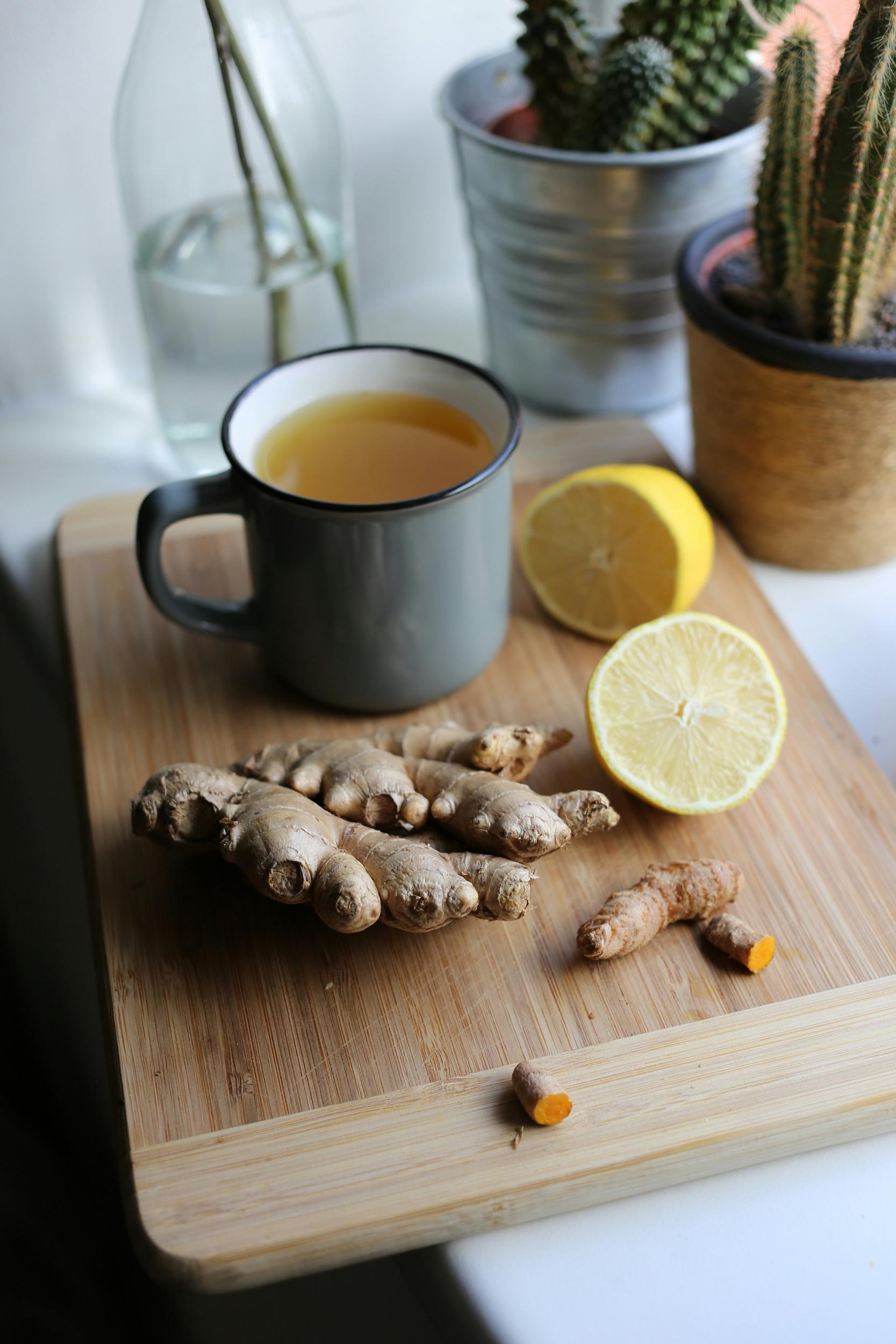
- Ginger root: Reduces nausea and may improve gastric motility. Best evidence for nausea specifically.
Hierarchy of evidence: Low-FODMAP diet (with dietitian), gut-directed hypnotherapy or CBT, and enteric-coated peppermint oil are the three most evidence-backed natural interventions. Start with the dietary approach alongside stress management for most people.