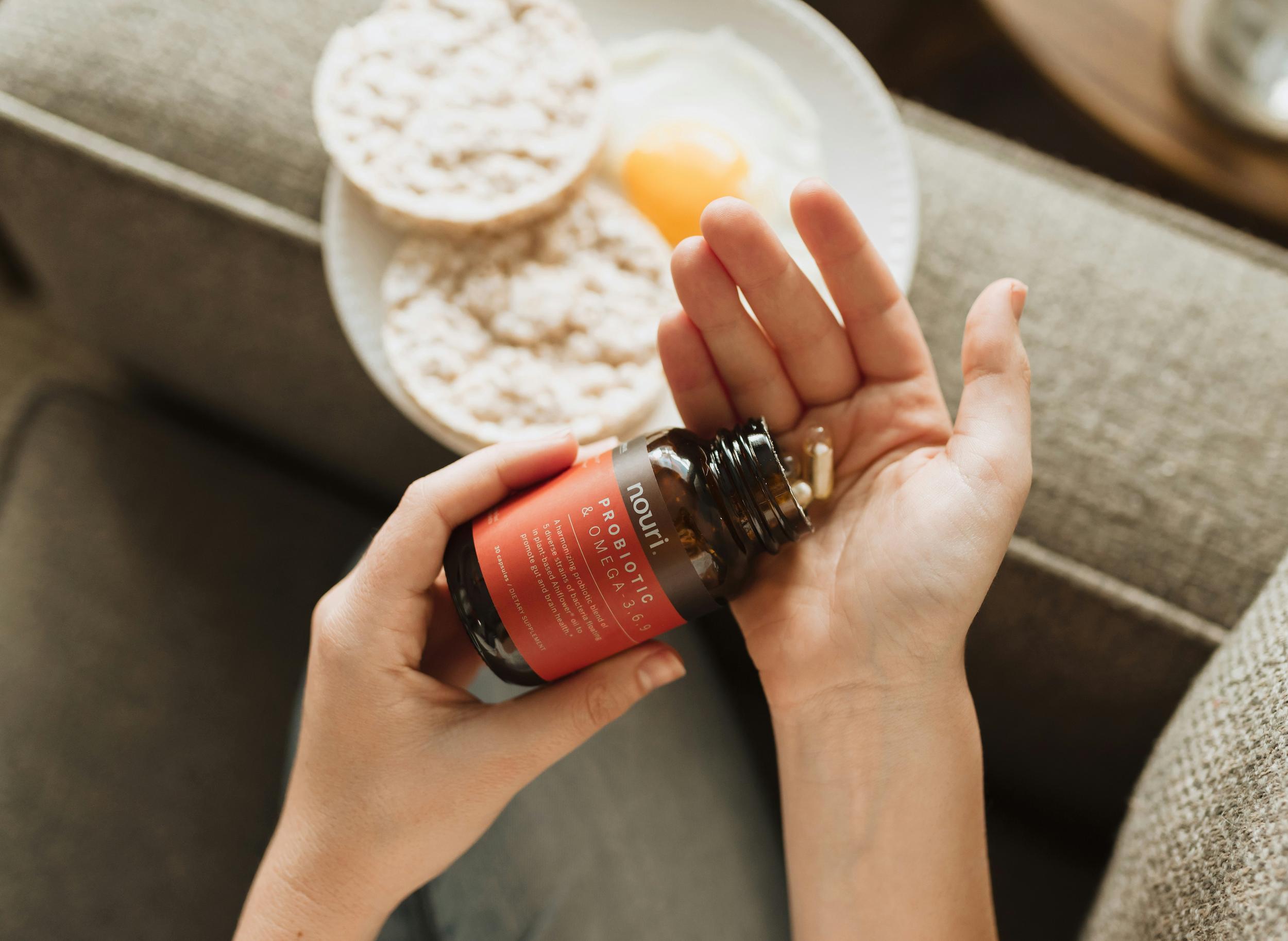
Walk into any health food shop and you'll be confronted with an overwhelming wall of probiotic supplements. Billions of CFUs, dozens of strains, wildly varying prices — how do you know what's actually worth taking? This guide cuts through the noise.
What Are Probiotics?
Probiotics are live microorganisms that, when consumed in adequate amounts, confer a health benefit on the host. The most common types are bacteria from the Lactobacillus and Bifidobacterium genera, and the yeast Saccharomyces boulardii.
Crucially, probiotic effects are strain-specific. Lactobacillus rhamnosus GG and Lactobacillus rhamnosus ATCC 53103 are the same species but may have entirely different effects. The marketing language of "billions of live cultures" misses this point entirely — the specific strain matters far more than the dose.
Key principle: Match the strain to the condition. A probiotic that's effective for traveller's diarrhoea may do nothing for IBS. Always look for clinical evidence for the specific strain and condition you're targeting.
Which Strains Are Backed by Evidence?
For Antibiotic-Associated Diarrhoea
Lactobacillus rhamnosus GG and Saccharomyces boulardii have the strongest evidence for preventing antibiotic-associated diarrhoea. Multiple meta-analyses confirm their efficacy. Take them at least 2 hours away from your antibiotic dose.
For IBS
The evidence for IBS is more mixed, but several strains show promise. Bifidobacterium infantis 35624 (sold as Align in the US) has good evidence for reducing bloating and abdominal pain. VSL#3 (a multi-strain formula) has shown benefits for IBS-D (diarrhoea-predominant IBS).
For Mental Health
The emerging field of psychobiotics shows real promise. Lactobacillus rhamnosus JB-1 reduced anxiety-like behaviour in animal models and altered GABA receptor expression in the brain. Human trials are ongoing but early results are encouraging. Bifidobacterium longum 1714 has shown reductions in perceived stress and cortisol in healthy volunteers.
For Immune Support
Lactobacillus casei Shirota (found in Yakult) has some evidence for reducing the duration of upper respiratory tract infections. Bifidobacterium lactis Bl-04 has shown benefits in reducing susceptibility to respiratory illness in athletes.
What to Look for When Buying
- Named strains: Look for full strain names (genus, species, and strain designation). "Lactobacillus acidophilus" without a strain number is insufficient.
- CFU guarantee at expiry: Many products guarantee CFU count at manufacture, not at expiry. Look for "guaranteed through expiry date."
- Appropriate storage: Most lactobacilli require refrigeration. Some shelf-stable products use enteric coating or lyophilisation — check the manufacturer's guidance.
- Third-party testing: Look for NSF International, USP Verified, or Informed Sport certification, especially for athletes.
Do You Actually Need a Probiotic?
For most healthy people with a varied, fibre-rich diet, the evidence for general probiotic supplementation is modest. Your microbiome is remarkably resilient, and the most reliable way to improve it is through food — specifically, dietary fibre, fermented foods, and reduced ultra-processed food intake.
Probiotics become more clearly valuable in specific situations:
- During or after a course of antibiotics
- When travelling to areas with different food hygiene standards
- With a diagnosed condition like IBS or IBD (under medical supervision)
- During periods of significant stress that may disrupt the microbiome
- After gastroenteritis or food poisoning
Food vs Supplements
Fermented foods — yoghurt, kefir, kimchi, sauerkraut, miso — naturally contain diverse live cultures alongside fibre, vitamins, and other bioactive compounds. A 2021 Stanford study found that a diet high in fermented foods increased microbiome diversity and reduced inflammatory markers more effectively than a high-fibre diet alone in the short term.
The advantage of food sources over supplements is their diversity — each jar of good kimchi may contain 50–100 different microbial species. Supplements offer specificity — predictable doses of well-characterised strains. Ideally, use both.
Bottom line: Prioritise dietary fibre and fermented foods as your foundation. Add a targeted probiotic supplement if you have a specific condition or situation that evidence-based strains address. Don't waste money on generic multi-strain supplements with no clear clinical rationale.