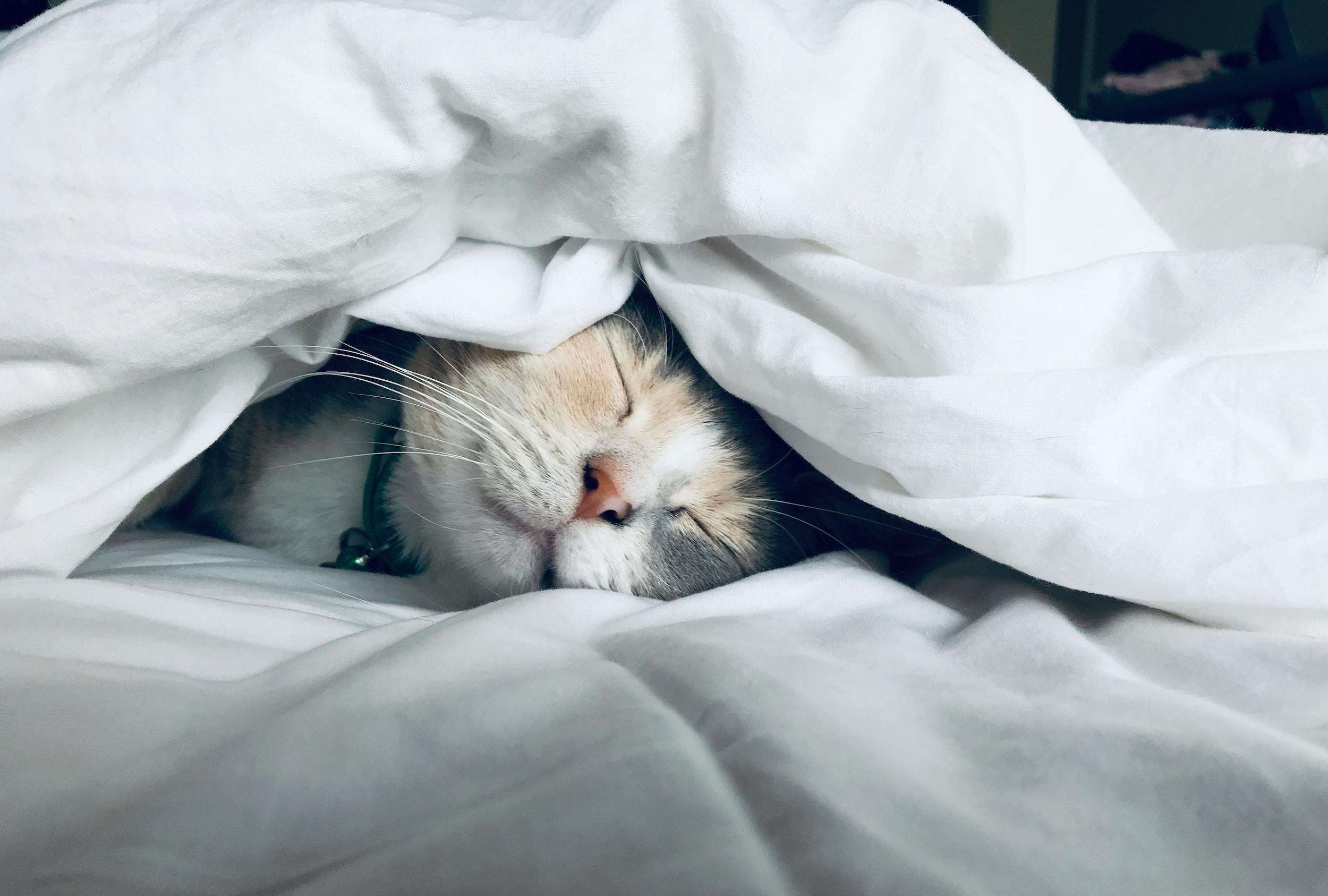
If you've ever spent a night of poor sleep followed by a difficult morning in the bathroom, you've experienced the gut–sleep axis firsthand. But the relationship goes far deeper than the next-day consequences of a bad night — it's a reciprocal, ongoing biological relationship that shapes your microbiome composition and your sleep quality simultaneously.
Your Gut Has a Circadian Clock
Every cell in your body contains molecular clock machinery that runs on an approximately 24-hour cycle. Your gut microbiome is no exception — its composition fluctuates predictably throughout the day and night. Different bacterial species are more active during the day (assisting with digestion) and others at night (producing short-chain fatty acids and repair compounds).
Disrupting this rhythm — through irregular eating times, late-night meals, or shift work — alters which bacteria thrive and when, with measurable consequences for metabolism, immunity, and mood.
Key finding: A 2016 study found that even two days of sleep restriction altered the composition of the gut microbiome, reducing microbial diversity and increasing the ratio of Firmicutes to Bacteroidetes — a pattern associated with obesity and inflammation.
Melatonin and the Gut
Most people know melatonin as a sleep hormone produced by the pineal gland. Fewer know that the gut produces 400 times more melatonin than the pineal gland. Gut-derived melatonin regulates intestinal motility, protects the gut lining from oxidative stress, and modulates the immune response.
Conversely, the bacteria in your gut influence melatonin synthesis from its precursor tryptophan. A healthy, diverse microbiome supports melatonin production; dysbiosis can impair it — a bidirectional feedback loop.
How Poor Sleep Harms the Microbiome
Research consistently shows that inadequate or irregular sleep:
- Reduces populations of beneficial Lactobacillus and Bifidobacterium species
- Increases levels of potentially harmful Bacteroides species
- Reduces production of butyrate (the gut's primary healing compound)
- Increases systemic inflammatory markers
- Elevates cortisol, which further disrupts gut barrier function
How the Microbiome Affects Sleep Quality
The gut microbiome influences sleep through several pathways:
- Serotonin production: 95% of serotonin is made in the gut. Serotonin is the precursor to melatonin — without adequate serotonin production, melatonin synthesis is compromised.
- GABA signalling: Certain Lactobacillus species produce GABA — the primary inhibitory neurotransmitter that promotes sleep. Higher levels of GABA-producing bacteria correlate with better sleep quality.
- Inflammatory signalling: Dysbiosis-driven inflammation activates the immune system and disrupts the normal sleep architecture, reducing slow-wave (restorative) sleep.
Practical Strategies to Improve Both
Consistent Sleep and Wake Times
Regularity is more important than duration for circadian rhythm maintenance. A consistent wake time anchors your biological clock and allows your gut microbiome to synchronise appropriately.
Time-Restricted Eating
Aligning your eating window with your active (daylight) hours improves circadian function for both gut and brain. Aim to finish eating 3 hours before sleep and avoid eating within the first hour after waking.
Fermented Foods and Probiotics
Kefir consumed in the evening has been associated with improved sleep quality in several small studies, likely through its tryptophan content and live cultures that support GABA and serotonin production.
Tryptophan-Rich Evening Foods
Tryptophan is converted to serotonin and then melatonin. Good sources include turkey, eggs, cheese, oats, and bananas. A small evening snack containing tryptophan and carbohydrates (which help with tryptophan transport to the brain) may modestly improve sleep onset.
Magnesium
Magnesium glycinate (200–400mg) taken in the evening is one of the most evidence-supported supplements for sleep quality. It also relaxes gut smooth muscle and supports the beneficial gut bacteria that produce SCFA.
The loop: Better sleep → healthier microbiome → more serotonin/GABA → better sleep. Starting either side of this loop helps break the cycle. For most people, sleep hygiene first (consistent schedule, dark room, no screens before bed) is the highest-leverage intervention.